
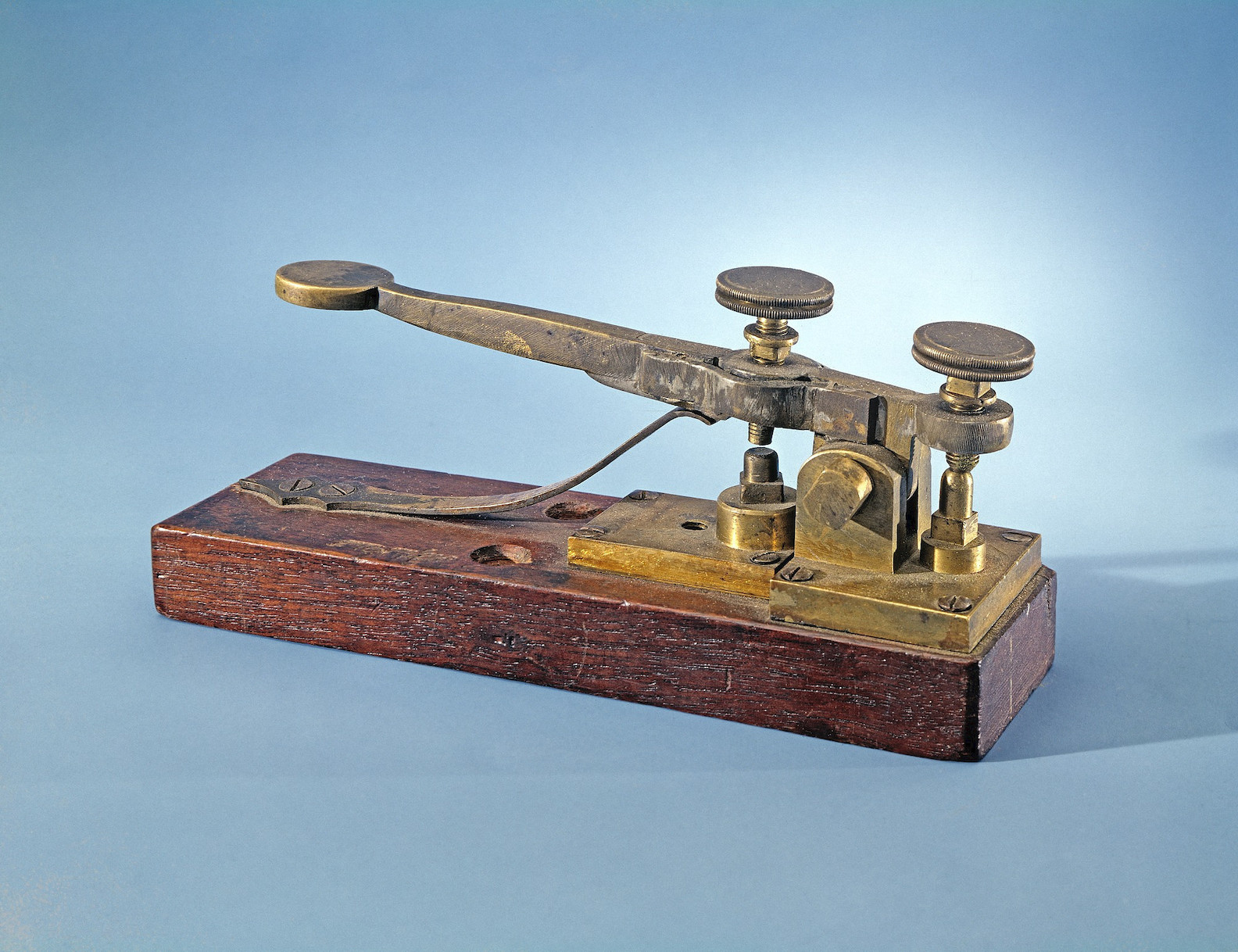

In the modern age of technology, the term “digital” has become synonymous with nearly every piece of tech. However, what would you think if I told you that both devices pictured above are in fact, digital? It’s something that is certainly difficult to grasp in our constantly advancing society that is always finding new ways to digitize our lives. However, this was not always the case, and many technologies that are digital now were most likely analog in one way or another in the past. These devices range from cell phones to computers and many other things we interact with on a daily basis.
There are many aspects of analog that make it much less favorable than digital when it comes to electrical devices and tech. The main concept is that analog devices and systems are unable to correct and account for errors, which produce errant results. An example of this in the application of an analog system is the Norden Bombsight in the United States Air Force during World War 2 and the Vietnam War. This was a very sophisticated system with over 2,000 moving parts meant to deliver precise bomb-dropping capabilities based on a number of parameters entered by the user. The catch, however, is that with so many moving parts, one slight inaccuracy quickly compounds into many, and that can continue for however many steps are left in the calculation. By the time a result is produced, it can be off by only a small or even a large amount, and the user would not know any better.
The fix to such a problem within a digital electrical device is that errors are fixed as they occur. This removes the possibility of errors compounding if they can be avoided or fixed in the first place. This concept can be observed through the digital operation of the telegraph. Known for revolutionizing communication nationwide, the telegraph is one of the first digital methods of communication ever. Its point-to-point way of communicating allowed for distance to become less of an obstacle. The way that this system resisted errors was by being able to correct the message at each reception point. Since it operated on tones of various lengths, the human operator could actively decode and correct a message based on its general structure and sender. If the system were analog, there would be no way to correct the message, and it would most likely be difficult to understand from the first moment it was received.